For most of my adult life, I was tired.
Not the kind of tired that a good night's sleep fixes. The kind that lives in your bones. The kind where you wake up already exhausted and spend the day managing it, working around it, pretending it isn't there because nobody around you can explain it and eventually you stop expecting them to.
I was a vegetarian for 28 years. I thought I was doing everything right. I exercised. I avoided red meat. I followed the guidelines. And for 28 years, my body quietly told me something else was going on.
I just didn't know how to listen yet.
The Moment Everything Changed
I was already a dentist when I started seriously exploring functional nutrition. Not because I was looking for a career pivot, but because I was desperate to understand my own body. I had patients asking me questions I couldn't fully answer. I had symptoms that standard medicine had shrugged at. And I had a growing suspicion that the mouth I was treating every day was connected to a much bigger picture than what I learned in dental school.
I eliminated gluten. I eliminated dairy. I shifted my nutrition to support what my body actually needed rather than what the conventional wisdom of the last few decades had told me to eat. And slowly, then quickly, everything changed.
The fatigue lifted. My energy came back in a way I hadn't felt in decades. I got stronger. I became more athletic after menopause than I had been in my thirties. My body was not broken. It had been starved of what it needed and flooded with what it didn't.
That experience didn't just change my health. It changed how I practice dentistry.
What Your Mouth Is Actually Telling You
Here's something most people don't know: your mouth is the first place your body starts signaling that something is wrong.
Long before a diagnosis shows up in a blood panel. Long before you feel the fatigue or the brain fog or the joint pain. The signs show up in your gums, your saliva, your teeth, your jaw, your airway. Your mouth is not a separate system. It is a window into everything happening in the rest of your body.
Chronic inflammation in the gum tissue is not just a dental problem. It is a systemic one. The same bacteria that drive gum disease have been found in the arterial plaques of people with heart disease. They've been linked to complications in diabetes, Alzheimer's disease, pregnancy outcomes, and more. Your gums are not isolated from your cardiovascular system, your brain, or your immune system. They are part of the same conversation.
Grinding your teeth at night is not just a stress habit. It is often a sign that your airway is compromised during sleep, that your nervous system cannot fully downregulate, or that your bite is contributing to tension patterns throughout your head, neck, and jaw.
Receding gums are not just cosmetic. They can be a sign of nutrient deficiency, hormonal shifts, or an inflammatory state that your body has been managing for years.
Dry mouth is not just uncomfortable. Saliva is one of your body's most powerful defense systems. It neutralizes acid, remineralizes your enamel, and holds a complex ecosystem of bacteria in balance. When that system is disrupted, by medications, by stress, by dehydration, by mouth breathing, by blood sugar dysregulation, the downstream effects show up fast.
I see all of this every day. And I am not looking for it because I read it in a textbook. I am looking for it because I lived it.
The Questions I Ask That Most Dentists Don't
When a new patient sits in my chair, I want to know more than when they last had their teeth cleaned. I want to know how they sleep. Whether they wake up feeling rested. Whether they have headaches in the morning. Whether they clench or grind. Whether they breathe through their nose or their mouth. Whether they have digestive issues, fatigue, brain fog, joint pain, or a history of autoimmune conditions.
I want to know what they eat, what they've tried to change, and what hasn't worked.
I want to know whether anyone has ever connected those dots for them before.
Most of the time, the answer is no.
That's not a criticism of other doctors. The healthcare system is not designed for this kind of comprehensive thinking. Specialists see their system and their system only. But your body does not operate in silos, and neither does your mouth.
I run salivary testing to assess the bacterial load in your mouth and identify specific pathogens linked to systemic disease. I evaluate your airway as part of every exam, not as an afterthought. I use biocompatibility testing to make sure that any material I put in your body is one your immune system can actually tolerate. I practice SMART safe mercury removal for patients who have old amalgam fillings and want them removed without additional exposure. I use ozone therapy and laser dentistry to treat infection and disease with precision and without the collateral damage of older methods.
None of this is radical. It is just dentistry that takes the whole person seriously.
Why I Practice This Way
I spent 28 years following advice that was well-intentioned and wrong for my body. I know what it feels like to be dismissed. To be told your labs are "normal" when you feel anything but. To be treated like a collection of symptoms rather than a whole human being with a story and a biology that is specific to you.
I became the kind of doctor I needed when I was struggling because I believe you deserve that too.
I don't believe genetics is your destiny. The research on epigenetics has made it clear that gene expression is shaped by what you eat, how you sleep, how you move, how you manage stress, and yes, the health of your mouth. You have far more influence over your health trajectory than most people have been told.
I don't believe insurance should dictate your care. Insurance was designed to cover what is average and necessary. It was not designed for people who want to optimize their health, prevent disease, and understand the root cause of what is happening in their body. My practice is built around what you actually need, not what a coverage table approves.
And I don't believe in fixing problems in isolation. If your gums keep getting inflamed no matter how well you brush, I want to know why. If you keep cracking teeth, I want to understand what is driving the forces in your bite and your nervous system. If your mouth is dry and your sleep is poor and your energy is low, those are not three separate problems. They are one conversation.
What Wellness Dentistry Actually Means
Wellness dentistry is not alternative dentistry. I use the most advanced diagnostics and technology available. I have been in practice since 2010 and have spent that entire time investing in tools and training that make a real difference in patient outcomes.
What makes it wellness dentistry is the philosophy. The commitment to finding the root cause instead of just treating the symptom. The understanding that your mouth is connected to your sleep, your digestion, your immune system, your hormones, and your energy. The belief that the best dentistry is the kind that supports your whole health, not just your teeth.
My ideal patients are people who have decided to take their health seriously. They are not looking for the fastest or cheapest option. They are looking for a partner who will actually dig in with them, who will tell them the truth, and who has done the work herself.
If that sounds like you, I want to meet you.
Where to Start
If you have been curious about what biological or wellness dentistry could do for you, the best first step is a comprehensive exam. Not a routine cleaning where you get 12 minutes and a generic printout. A real conversation about your health history, your goals, what you've tried, and what your mouth is showing us right now.
I practice at Holliday Dental Wellness in West Seattle. We are a small practice by design. I want to know my patients, not just their charts.
You can book an appointment online or call us at (206) 935-3161. I look forward to meeting you and getting to work.
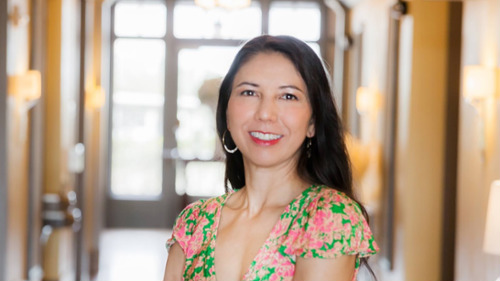
Dr. Tammy Holliday is a wellness, biological, cosmetic, and airway dentist and the CEO & Founder of Holliday Dental Wellness in Seattle, WA. She practices at the intersection of oral health, functional nutrition, and whole-body medicine.